Replacing Windows in Older & Historic Homes
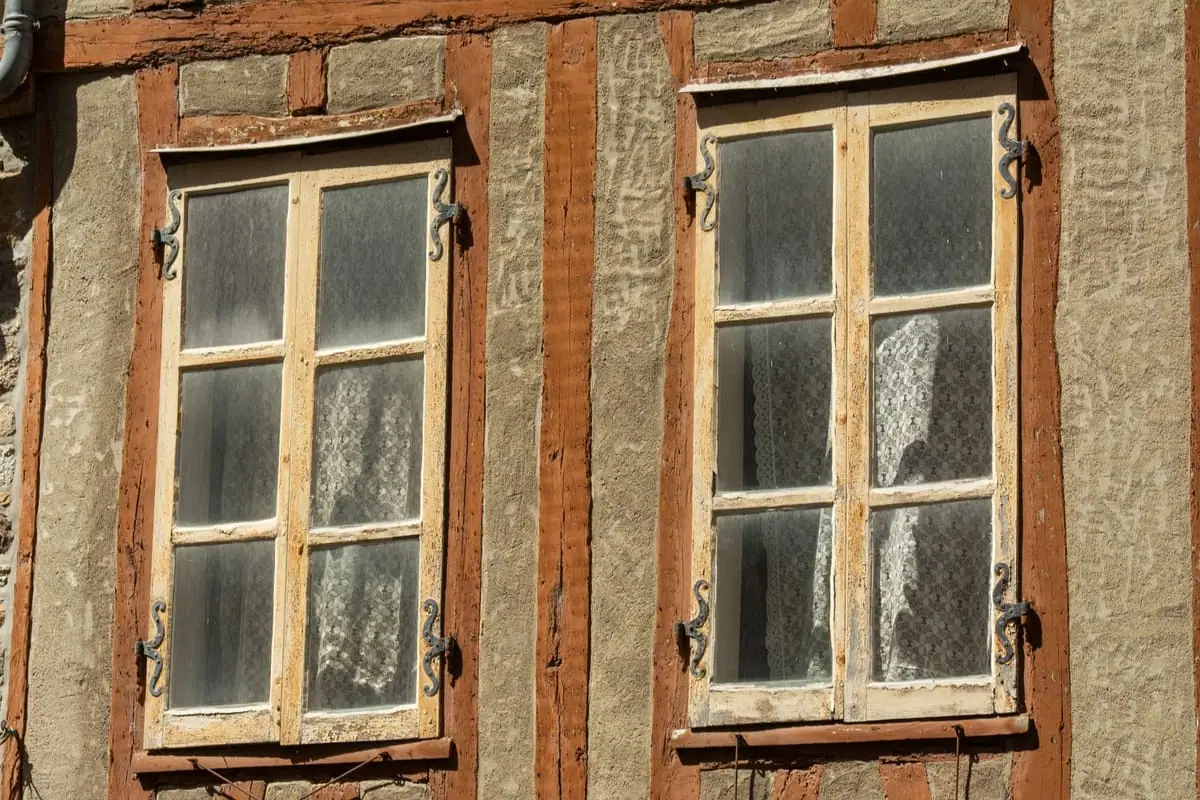
Older homes — the bungalows and Victorians around Marietta Square, the established houses of Whitlock Heights — have windows with character that mass-produced units simply don’t. Replacing them well is a specialty: it’s as much about preserving the home’s soul as improving its comfort. Here’s how to do it right.
Why older-home windows are different
Homes built decades (or a century) ago have:
- Non-standard sizes — nothing is a stock size, so custom ordering is the norm.
- Distinctive proportions and profiles — deeper sashes, specific grille patterns, wavy original glass.
- True divided lights — real muntins dividing many small panes.
- Settled, out-of-square openings — the house has moved over the years.
Off-the-shelf windows fight all of this. The solution is custom window installation that’s measured and built to the home’s actual openings.
Preserving character while gaining efficiency
The goal is windows that look original from the street but perform like modern ones. That means:
- Matching sight lines and grille patterns so the façade stays coherent.
- Choosing wood or clad-wood frames for authenticity, with a low-maintenance clad exterior for Georgia’s humidity.
- Hiding modern glass in a period frame — insulated, Low-E glazing that you can’t tell apart from single-pane at a glance.
The result: your 1920s home keeps its 1920s look while your energy bills join the 2020s.
Historic-district considerations
If your home is in a designated historic district, there may be guidelines governing window materials, profiles, and grille patterns — sometimes requiring a certificate of appropriateness before work begins. We help you:
- Understand what’s allowed.
- Choose compliant materials and profiles.
- Document the plan for approval.
Getting this right up front avoids costly do-overs and keeps you in good standing with your district.
Restore or replace?
A structurally sound original window can sometimes be restored — reglazed, re-corded, weatherstripped — and paired with a storm window for efficiency. But when frames are rotted, sashes won’t operate, or you want genuine energy performance and easy maintenance, custom replacements that replicate the original appearance are usually the smarter long-term investment. Our replace vs. repair guide can help you weigh it.
Watch for lead paint
Homes built before 1978 likely have lead-based paint. Any window work should follow EPA Lead-Safe (RRP) practices — proper containment and cleanup — to protect your family. We’re certified for this and treat older homes accordingly.
A careful hand makes the difference
Replacing windows in an older home isn’t a job for a one-size-fits-all approach. It takes precise measuring, custom ordering, and respect for the architecture. Done well, it’s one of the most satisfying upgrades an older home can get.
Have an older home in the Marietta area? Request a free estimate and we’ll walk it with you, room by room, and recommend an approach that honors its character.
Frequently Asked Questions
Can you replace windows in a historic home without ruining its character?
Yes. Custom-ordered windows can replicate original sight lines, proportions, and grille patterns while adding modern insulated glass hidden inside a period-appropriate frame. Clad-wood and wood options match historic styles well.
Do historic districts have rules about window replacement?
Many do. Historic-district guidelines often specify materials, profiles, and grille patterns. We help you choose compliant options and can work within those requirements so your replacements are approved and appropriate.
Are old windows worth restoring instead of replacing?
Sometimes. A structurally sound original window can be restored and paired with a storm window. But if frames are rotted or you want real efficiency and easy operation, custom replacements that match the original look are usually the better long-term choice.