How to Measure Windows for Replacement
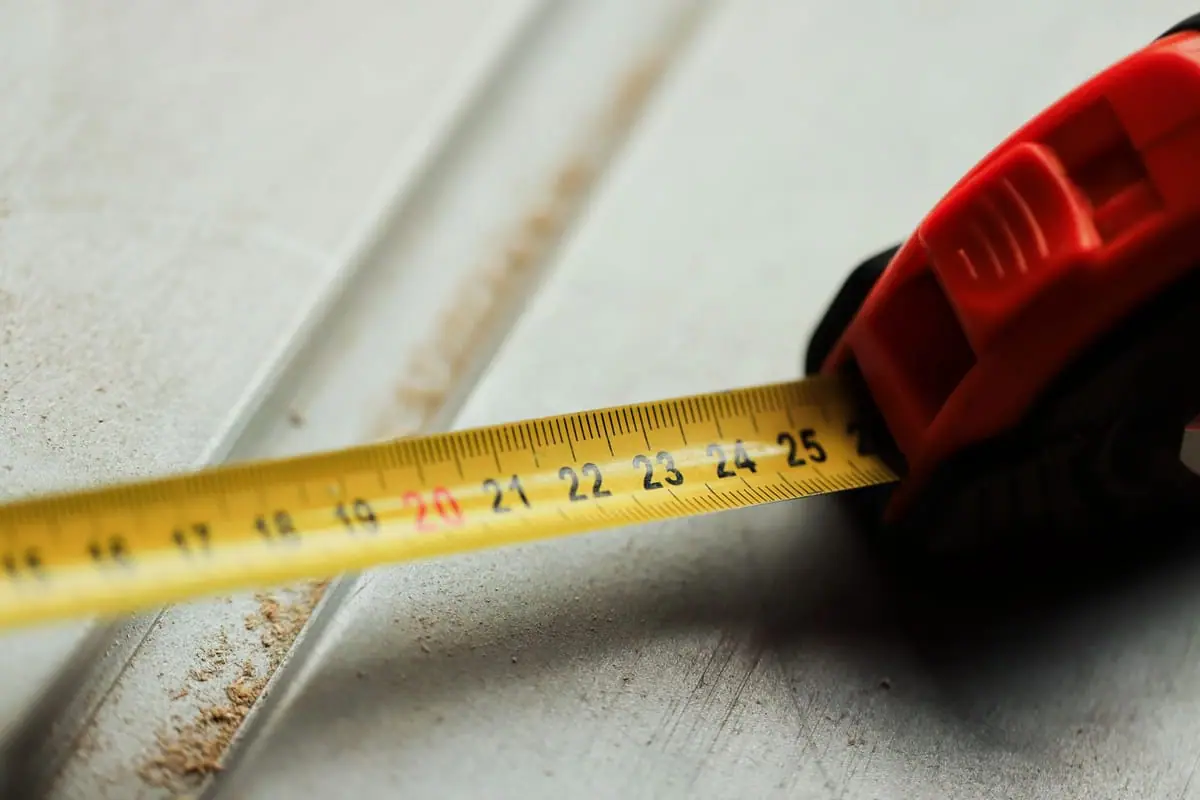
Custom windows are built to the exact numbers you provide — which means measuring correctly is everything. A fraction of an inch off can mean a window that won’t fit and a re-order that costs weeks and dollars. Here’s how measuring works, so you understand the process (and why the final measurement should always be a pro’s).
The golden rule: measure three times, use the smallest
Window openings are almost never perfectly square — houses settle, framing shifts, and old openings warp. So for each dimension you measure in multiple spots and use the smallest reading. That guarantees the new window fits the tightest point of the opening.
Step 1: Measure the width
Measure the width three times:
- Across the top of the opening
- Across the middle
- Across the bottom
Measure between the inside faces of the frame (jamb to jamb). Record the smallest of the three.
Step 2: Measure the height
Measure the height three times:
- Up the left side
- Up the center
- Up the right side
Measure from the sill to the top of the opening. Record the smallest of the three.
Step 3: Measure the depth
Measure the depth of the frame from the interior to the exterior (excluding trim and any exterior stops). Depth determines whether a standard replacement fits or whether you need a specific configuration. This matters especially for insert installations.
Step 4: Note the details
Also record:
- Window style (double-hung, casement, slider, etc.)
- Frame condition — any rot or damage that would call for full-frame rather than insert
- Obstructions — alarm sensors, unusual trim, or custom shapes
Understanding the parts of a window helps here.
Why the final measurement should be professional
Measuring your own windows is great for a rough budget — but before anyone places an order, a professional should take the final numbers. Here’s why:
- Custom windows are made to these exact measurements — there’s no returning a made-to-order unit that’s a quarter-inch too big.
- Pros catch what tapes don’t show — out-of-square openings, hidden rot, depth issues, and whether insert or full-frame is right.
- The responsibility shifts — when we measure and order, the fit is on us, not you.
That’s why every one of our projects includes a precise field measurement before we order a single window — it’s the step that guarantees a clean, gap-free installation.
Want measurements you can trust? Request a free estimate — we’ll measure every opening precisely and put honest pricing in writing.
Frequently Asked Questions
How do you measure a window for replacement?
Measure the width at the top, middle, and bottom and use the smallest; measure the height at the left, center, and right and use the smallest; then measure the depth of the frame. Windows are rarely perfectly square, so the smallest dimension ensures the new unit fits.
Why measure a window in three places?
Openings settle and go out of square over time, so the width and height can vary from top to bottom and side to side. Measuring in three places and using the smallest reading guarantees the replacement window will fit the opening.
Should I measure my own windows or have a pro do it?
You can measure to get a rough idea for budgeting, but always have a professional take the final measurements before ordering. Custom windows are made to those numbers, and a small error can mean a costly re-order.