10 Signs It's Time to Replace Your Windows
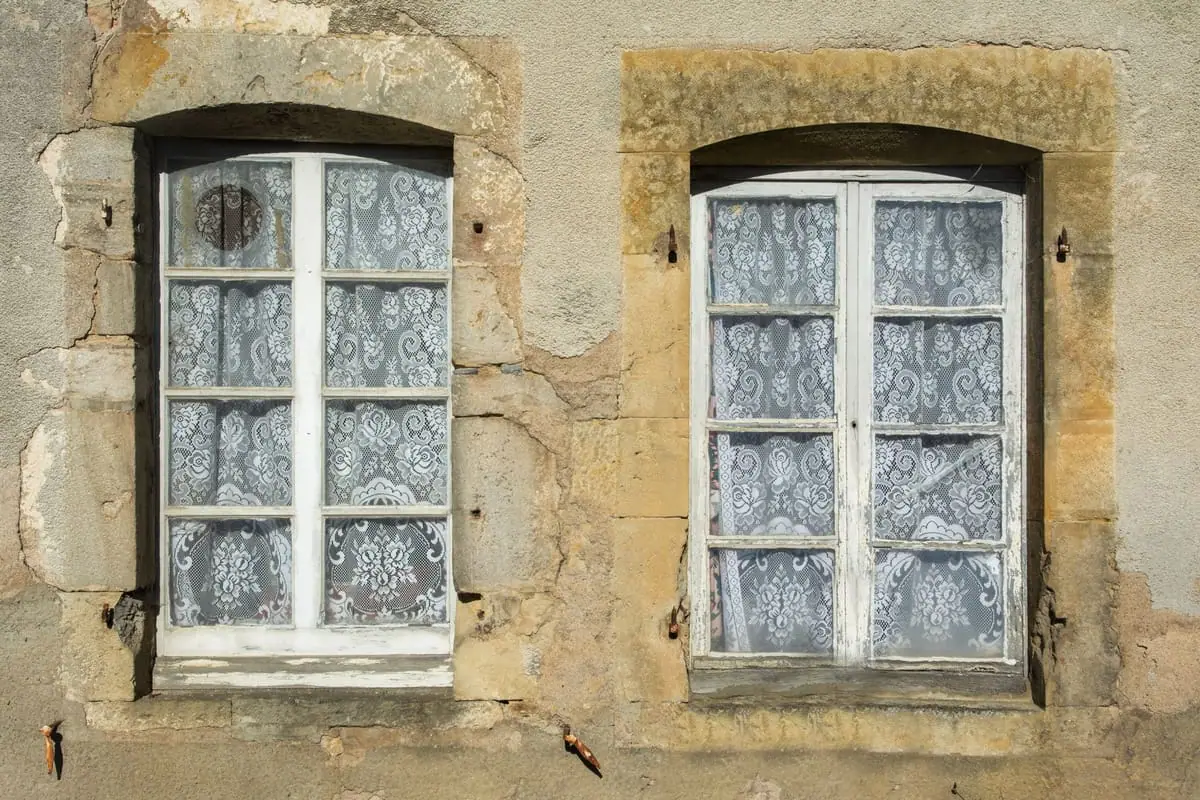
Windows don’t usually fail overnight — they decline gradually, and the warning signs are easy to rationalize away. But drafty, failing windows quietly cost you money and comfort every single day. Here are ten signs it’s time to consider window replacement.
1. You feel a draft near the glass
Stand next to a window on a windy or cold day. If you feel moving air, the seals or weatherstripping have failed. Drafts are the clearest sign your windows are leaking conditioned air — and money. (More on why windows get drafty.)
2. Fog or moisture between the panes
If there’s condensation inside the glass — between the two panes, where you can’t wipe it away — the insulated seal has failed. The window has lost the argon fill that made it efficient. This one isn’t fixable; it’s a replacement.
3. Your energy bills keep climbing
If heating and cooling costs are rising with no other explanation, inefficient windows are a prime suspect. Single-pane and failed double-pane windows let conditioned air escape and Georgia’s summer heat pour in.
4. The windows are hard to open, close, or lock
Sashes that stick, won’t stay up, or won’t lock signal warped frames, failed balances, or a house that has settled. Beyond the annoyance, a window that won’t lock is a security and safety issue.
5. You see rot, warping, or water damage
Soft, spongy, or discolored wood around the frame means water has gotten in. Rot spreads, and a window frame that’s rotting is often letting water into the wall behind it. This calls for full-frame replacement.
6. Rooms are noticeably noisy
If you hear every car, lawnmower, and conversation from outside, your windows aren’t sealing or insulating well. Modern insulated (and laminated) glass dramatically cuts outside noise.
7. The frames are cracked, chipped, or decaying
Cracked vinyl, chipping paint on wood, or pitted, corroded aluminum are more than cosmetic. Damaged frames compromise the seal and the window’s structural integrity.
8. You have single-pane windows
If your home still has single-pane glass, replacement is one of the highest-impact upgrades you can make. A single pane offers almost no insulation against Georgia’s heat. Upgrading to energy-efficient dual-pane Low-E glass transforms comfort.
9. Furniture and floors are fading
Significant fading of floors, rugs, and furniture near a window means UV rays are pouring through unchecked. Modern Low-E coatings block most UV, protecting your interior.
10. They just look tired
Sometimes the reason is curb appeal. Dated, mismatched, or worn windows drag down the look of an otherwise cared-for home. New windows are one of the most visible, value-adding upgrades you can make — see how new windows improve curb appeal.
Repair or replace?
Not every issue means replacement — a broken balance or worn weatherstrip on an otherwise sound window can be repaired. But when you see multiple signs above, or failed seals, rot, or single-pane glass, replacement is almost always the better investment. Our guide on replace vs. repair helps you decide.
Seeing a few of these in your own home? Request a free estimate — we’ll take an honest look and tell you whether repair or replacement makes more sense.
Frequently Asked Questions
How long do windows last?
Quality windows last 20 to 40 years depending on material and installation. Vinyl and fiberglass often reach the upper end; older aluminum and single-pane windows tend to fail sooner, especially their seals.
Is fog between the panes a reason to replace a window?
Yes. Fog or moisture trapped between the panes means the insulated glass seal has failed. The window has lost its insulating gas fill and no longer performs — it should be replaced.
Can I replace just a few windows at a time?
Absolutely. Many homeowners start with the worst or most sun-exposed windows and phase the rest over time. Replacing in one project lowers the per-window cost, but phasing is a valid budget strategy.